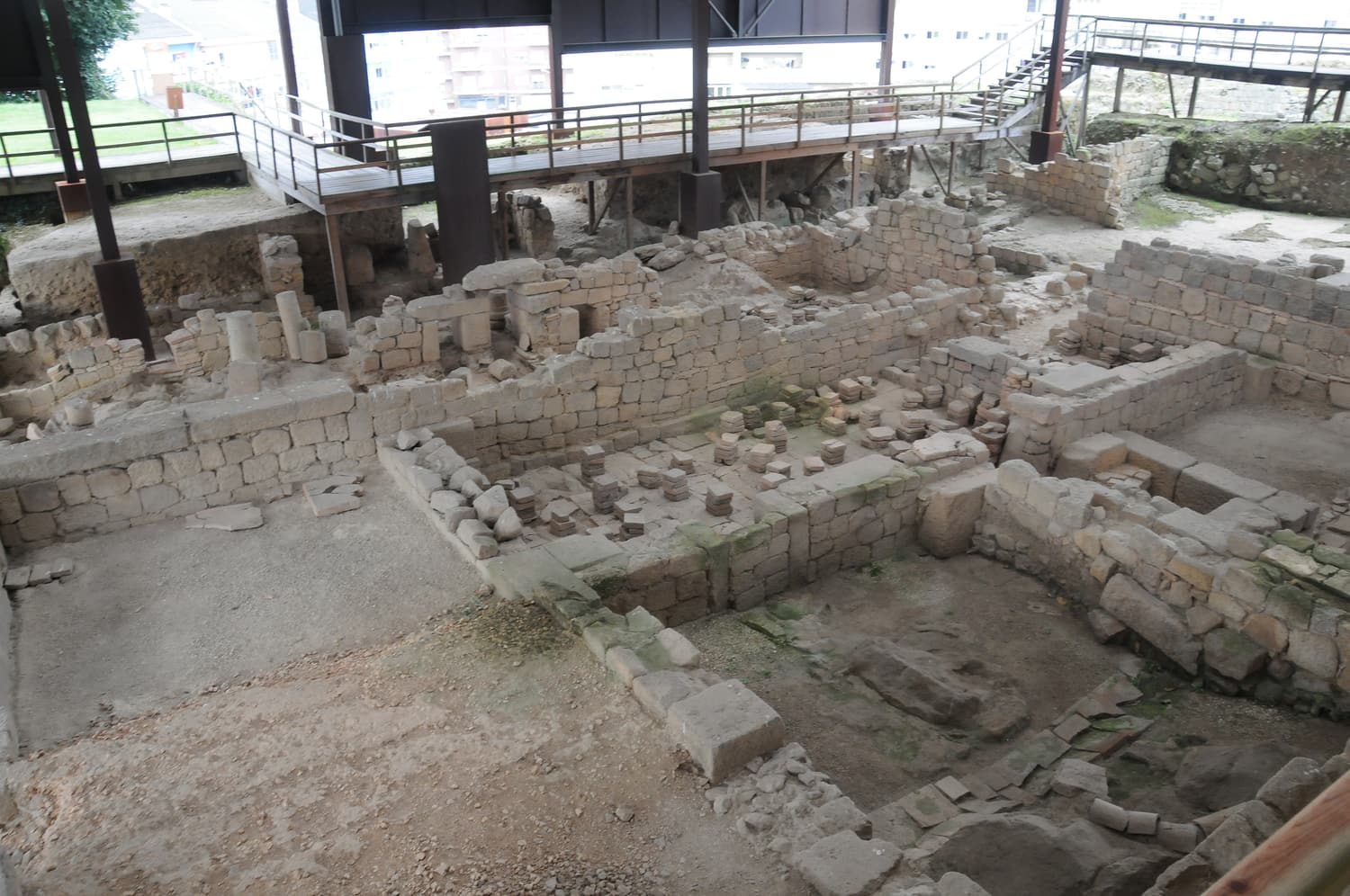
The Romans founded Bracara Augusta around 16 BC, naming it in honour of Augustus. It became a major administrative city of Gallaecia, and traces of it survive under and between the modern streets.
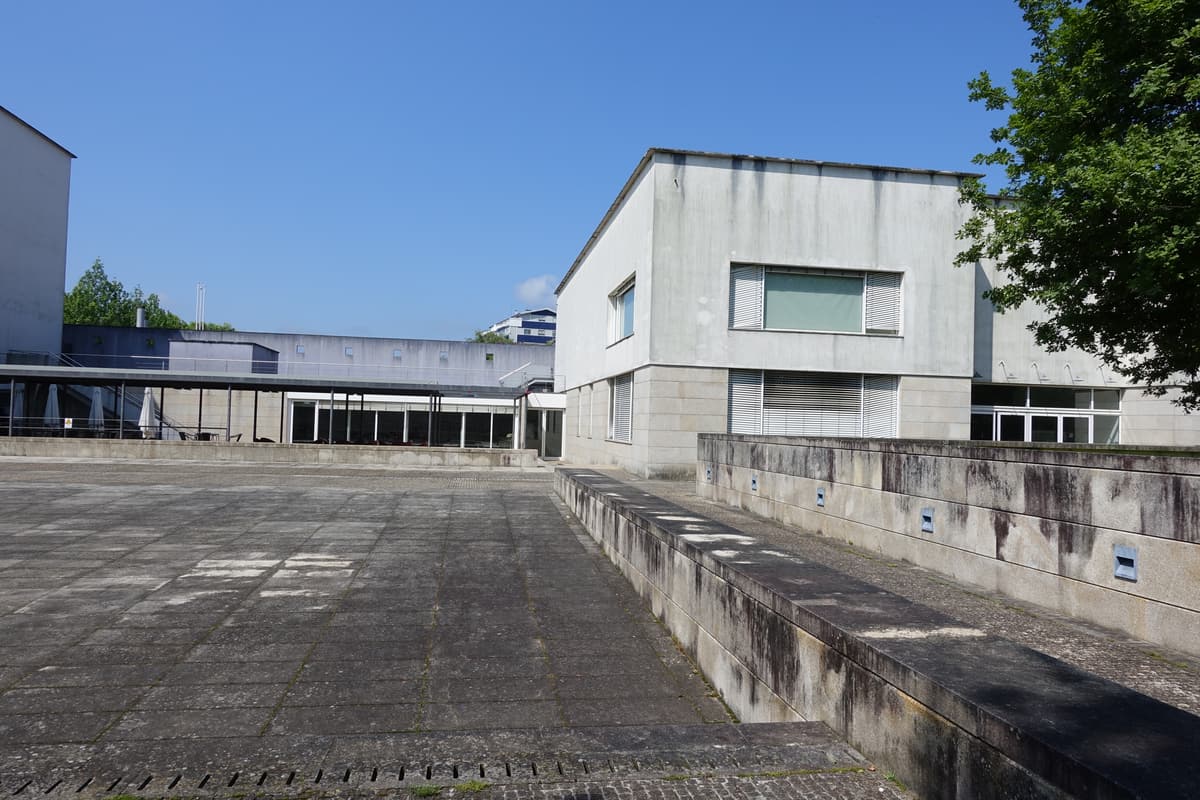
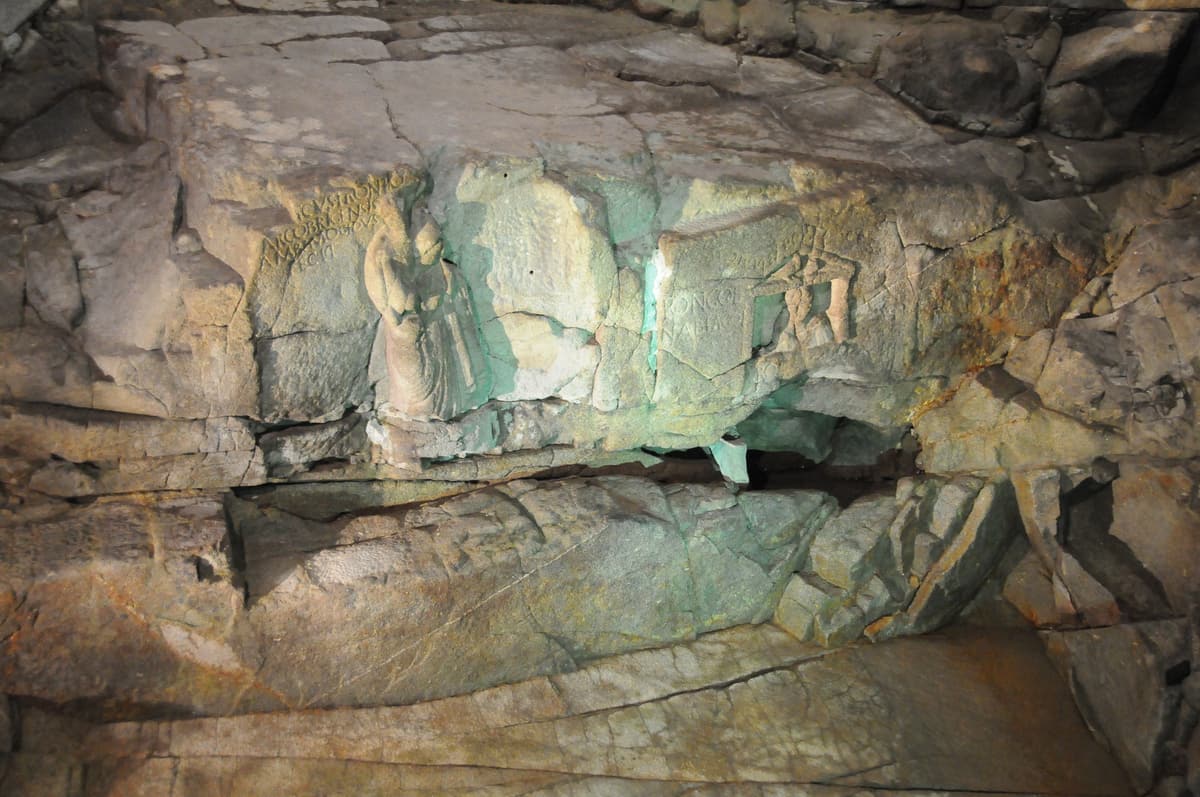
The best place to begin is the Museu D. Diogo de Sousa, the regional archaeology museum, whose collection includes milestones, mosaics and everyday finds. From there it is a short walk to the Roman baths of Alto da Cividade, discovered in the 1970s. In the centre of town, the small Fonte do Ídolo is a rare rock-cut sanctuary, with a carved figure and inscriptions.
Top things to do: Roman Braga
Start at the museum
The collection and the model of the city give you the context.
Walk the baths
The site shows the layout of a Roman bathing complex and the theatre next to it.
Find the Fonte do Ídolo
It is easy to miss, tucked away behind a modern street front.
Come for Braga Romana
The festival fills the centre with a Roman market, traditionally in late May.
How to get to Roman Braga
- All of the sites lie within walking distance of the centre, with the museum and baths around 15 minutes on foot from the Sé.
Insider tips
- Opening hours at the smaller sites can be limited, so check before planning a route.
- A half-day is enough for the museum, the baths and the shrine.
Best tours for Roman Braga
These experiences are the easiest way to see Roman Braga:
 Guided walk from €29
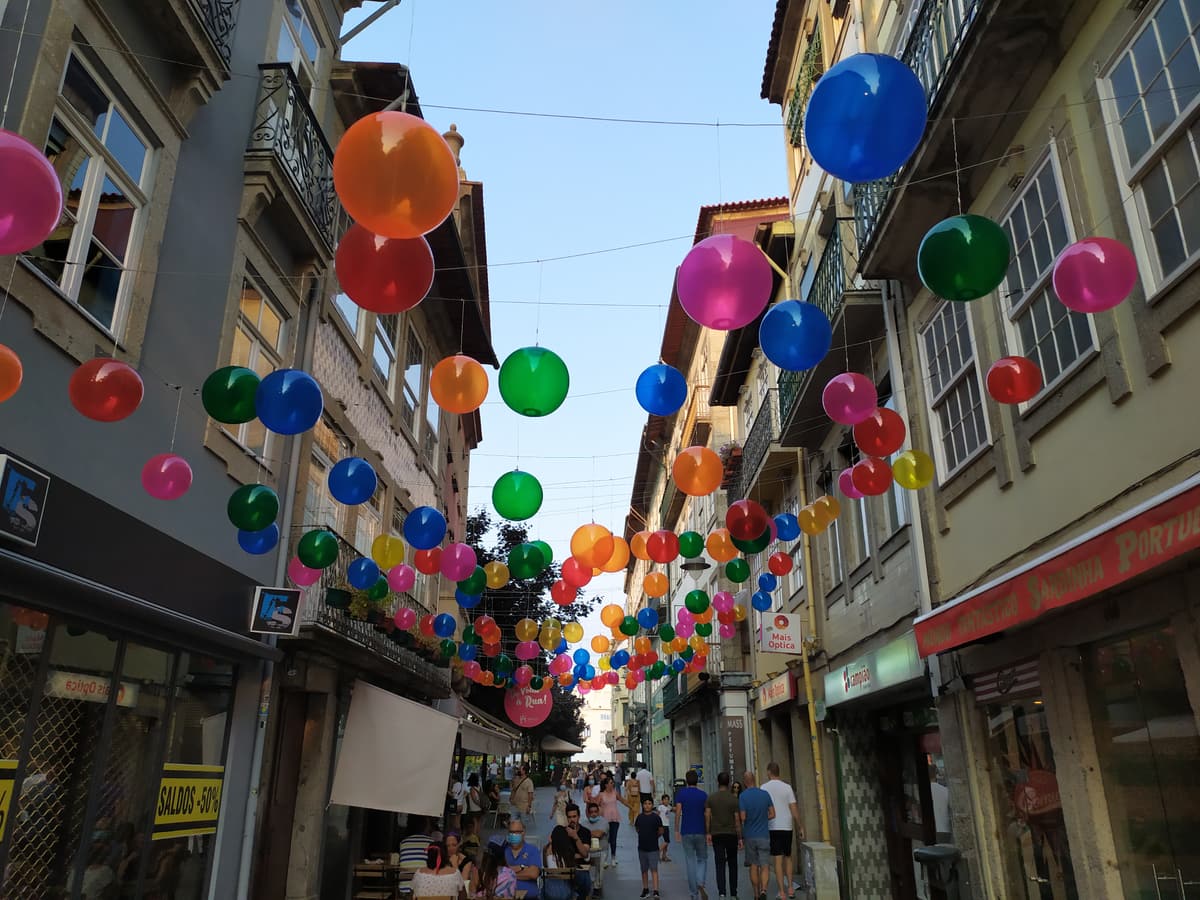
Braga: Historic Center Walking Tour
A short guided walk around the heart of the city, with the choice of a group or private option.
- The main streets and squares
- History from the Romans onwards
- Group and private options
 Guided tour from €122
Braga City Walking Tour with Bom Jesus and Sameiro
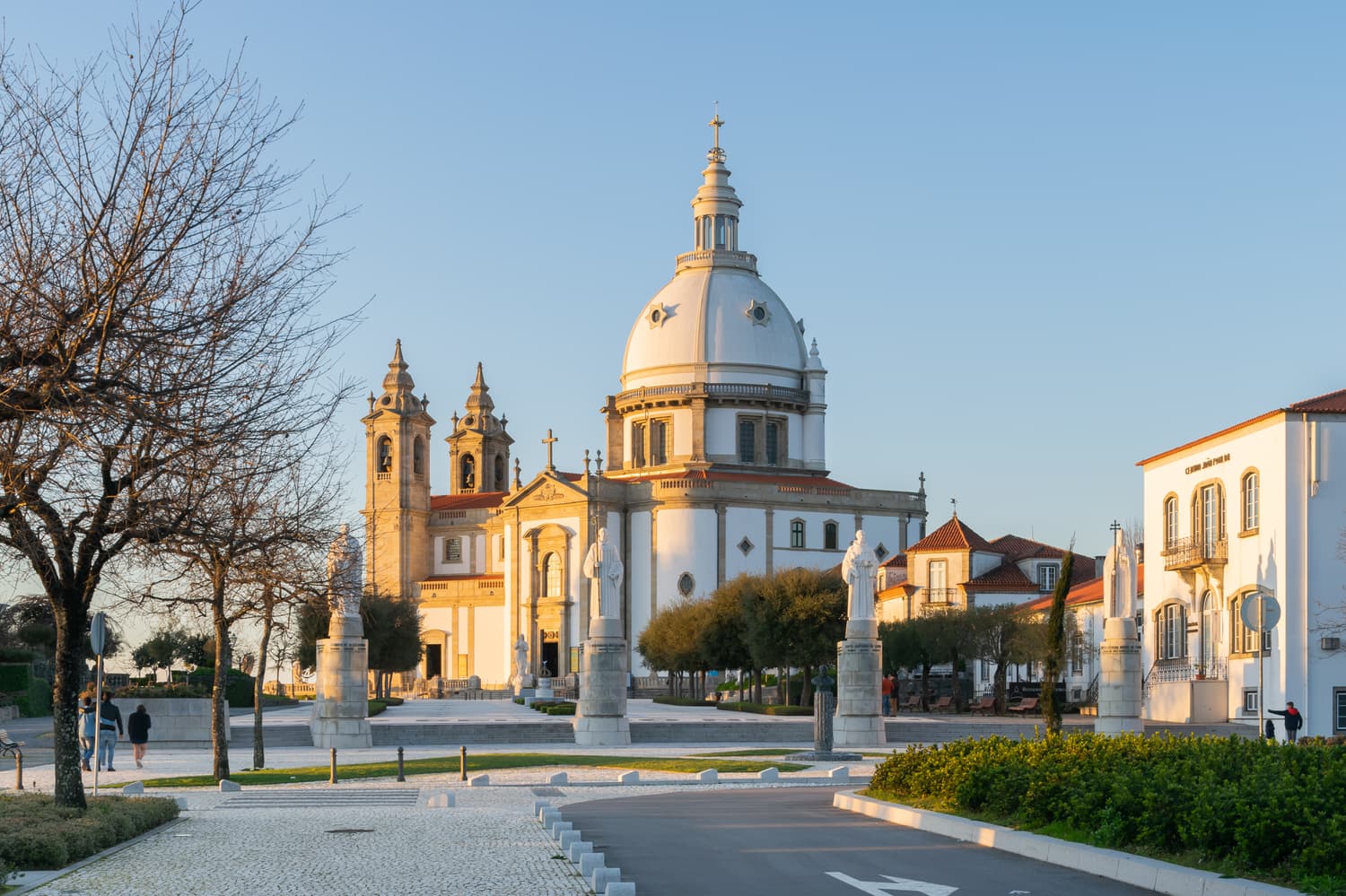
A longer tour that adds the hilltop sanctuary of Sameiro to the city and Bom Jesus.
- The city centre
- Bom Jesus do Monte
- The Sameiro sanctuary