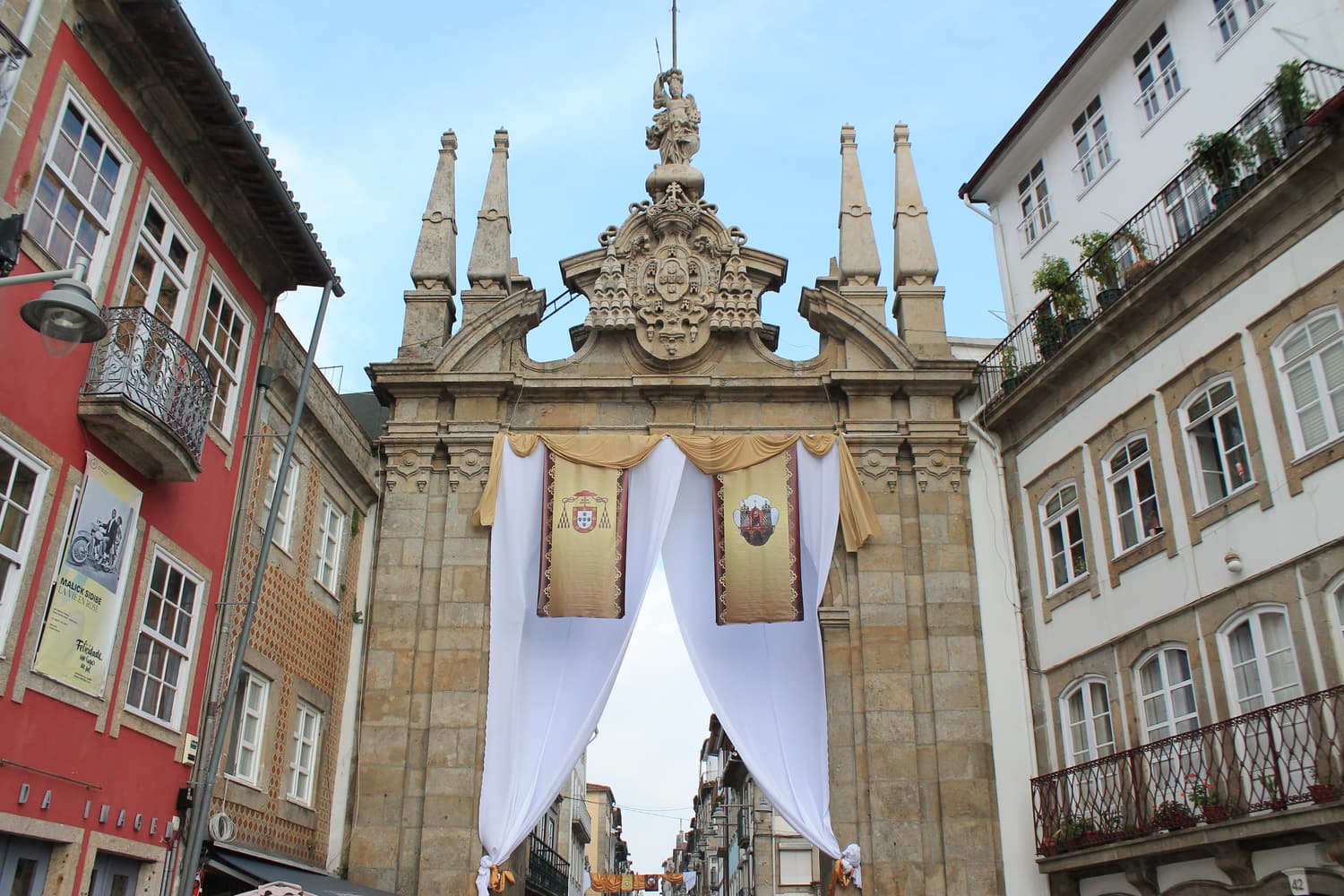
Braga in brief
Braga is one of the oldest cities in Portugal and among its largest, with a population of around 200,000 in the wider municipality. It is the capital of the historic Minho region, the seat of an archdiocese that has claimed primacy over the Iberian church for centuries, and a university town with a notably young population.
A short history
The Romans founded Bracara Augusta around 16 BC, and it became a leading city of the northwest of Iberia. After Rome, it served as capital of the Suebi kingdom, and it survived Visigoths and Moors. The cathedral rose after the Christian reconquest, and the archbishops ruled the city for centuries. They left their mark most visibly in the 18th century, when patrons and architects such as André Soares and Carlos Amarante gave it the baroque look you see today. Hence the old saying that while Porto works and Coimbra studies, Braga prays.
What to see
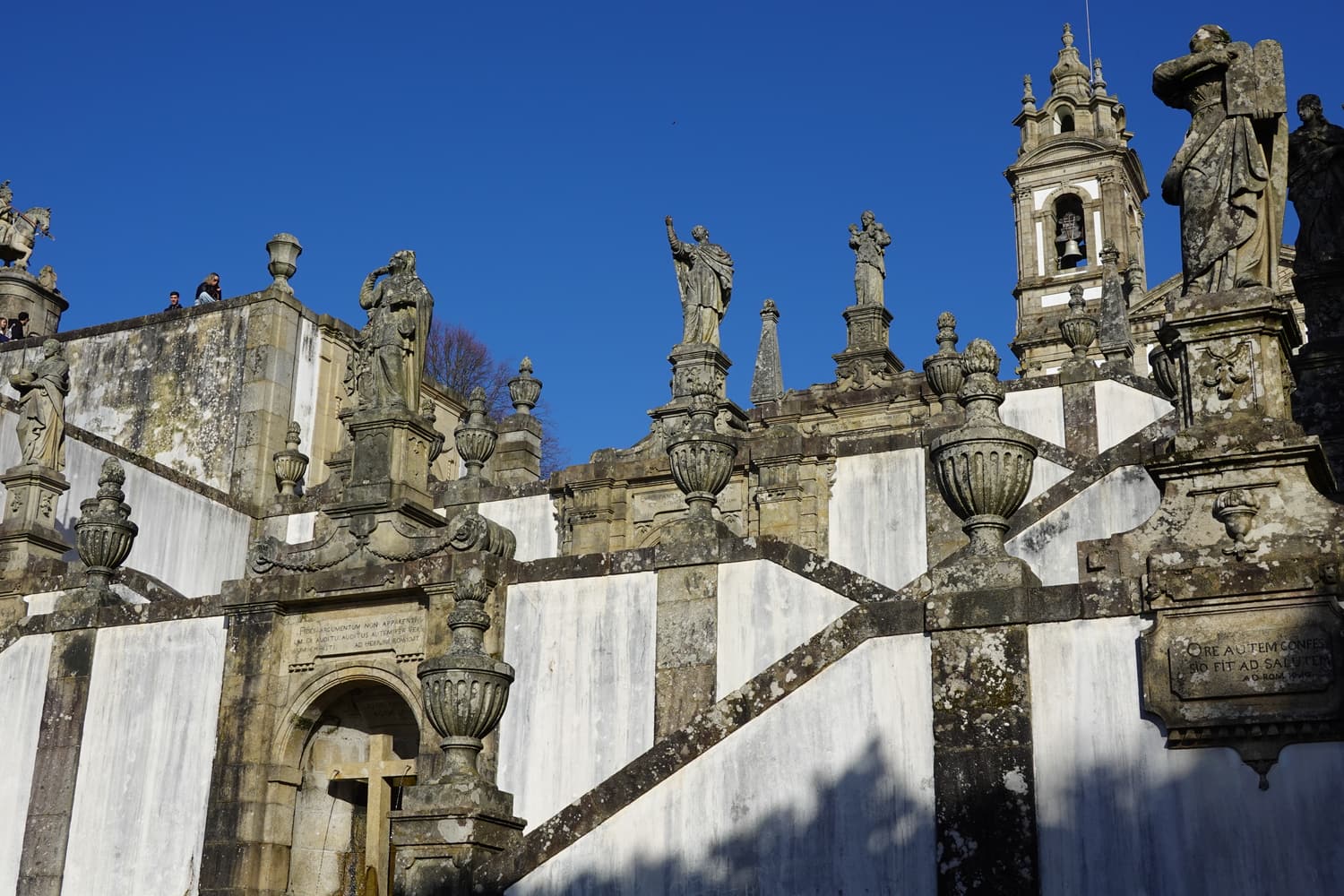 The sanctuaries on the hills
Bom Jesus do Monte
Portugal’s great baroque stairway
A UNESCO-listed sanctuary on a wooded hill outside Braga, with a zigzag stairway of chapels, fountains and statues climbing to a pale neoclassical church, and a water-powered funicular running alongside.
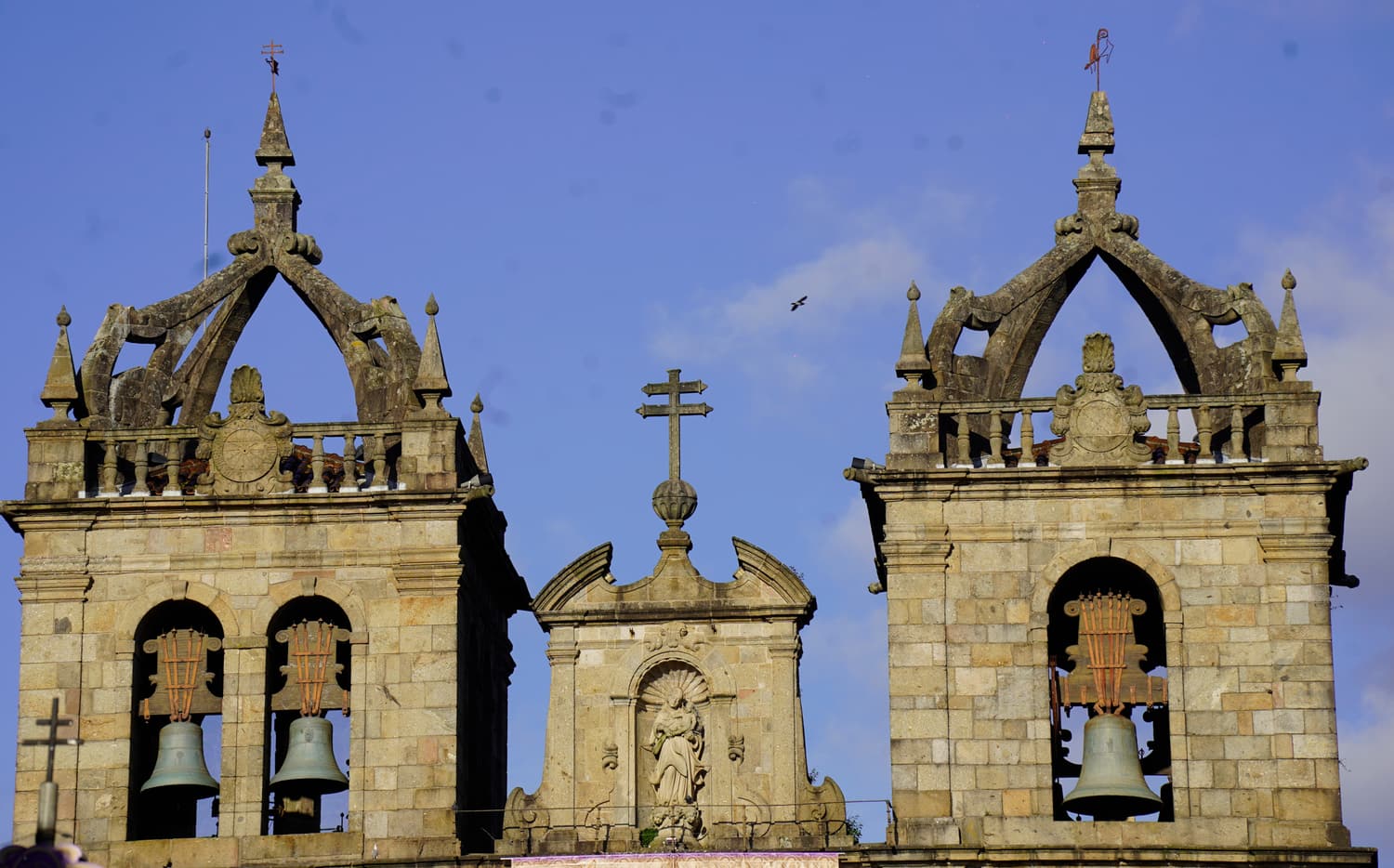 In the city
Sé de Braga
The oldest cathedral in Portugal
Begun in the late 11th century, the cathedral layers Romanesque, Gothic, Manueline and baroque. Inside are golden organs, royal tombs and a treasury of the city’s archbishops.
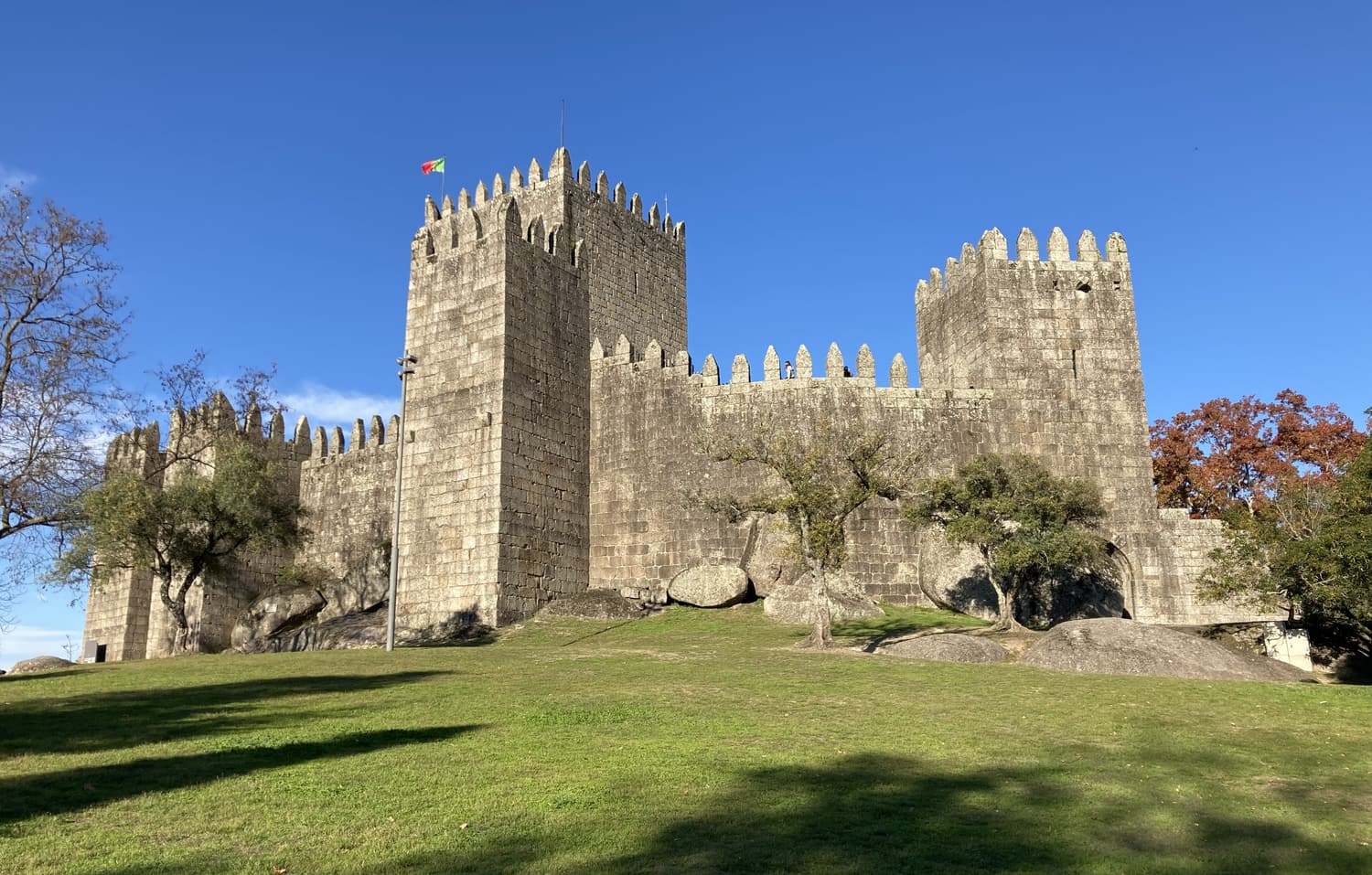 Day trips from Braga
 Day trips from Braga
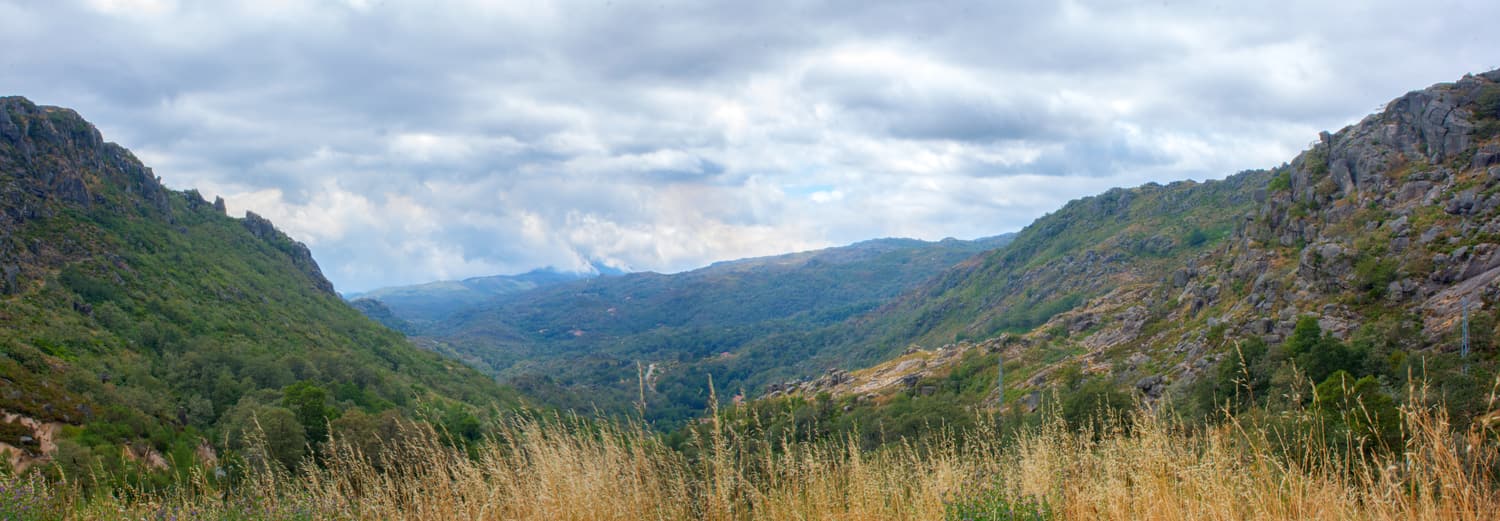
Peneda-Gerês
Portugal’s only national park
A wild granite borderland of oak woods, waterfalls and old stone villages, about an hour from Braga, ideal for walking, swimming and getting away from it all.
Itineraries
One day
Morning at the Sé and the old centre. Lunch nearby. Afternoon at Bom Jesus, taking the funicular up and walking down the stairway. Evening on Praça da República.
Two days
Add Sameiro, the Biscainhos palace and Roman Braga, or spend the second day in Guimarães.
Three days or more
Day three belongs to Peneda-Gerês. With longer, drive north through Vinho Verde country to Ponte de Lima, one of the prettiest towns in the Minho, or visit the Thursday market at Barcelos, home of the famous rooster. Nearer the city, the Tibães monastery and the rare early medieval chapel of São Frutuoso are good half-day extras. The Iron Age hill town of Citânia de Briteiros lies on the way to Guimarães.
Food and drink
Northern cooking is generous and unfussy. Try bacalhau à Braga, fried salt cod with onions and potatoes; rojões, marinated pork; papas de sarrabulho, a rich traditional dish for the cold months; and caldo verde, the classic kale soup. For dessert, order pudim Abade de Priscos, a silky pudding named after a celebrated 19th-century priest and cook. Have a coffee at one of the historic cafés on Praça da República, and take a food tour if you would like a guide.
Festivals
Semana Santa, Holy Week, is the city’s defining event. Braga Romana fills the streets with a Roman fair, traditionally in late May. São João, on the night of 23 June, is one of the big popular festivals in the north. Noite Branca, usually in September, is a big free street party. Check current dates on official channels.
Practical information
- Money: Portugal uses the euro. Cards are widely accepted, but carry a little cash for small cafés and markets. ATMs are labelled Multibanco.
- Hours: many museums close on Mondays, and smaller shops may close at lunchtime and on Sundays. Check before you go.
- Churches: dress modestly and avoid visiting during services.
- Safety: Braga is a calm city. Normal care with bags is enough. The emergency number is 112.
- Packing: bring a light rain jacket in every season but high summer, and shoes with grip for granite cobbles and the stairway.
- Power and water: plugs are the European two-pin type at 230 V, and tap water is safe to drink.
- Entry: Portugal is in the Schengen area. Check current entry rules for your nationality before you travel.
- Language: Portuguese. English is common among younger people and in hotels, and a few words of Portuguese go a long way.
Next steps
Choose where to stay, read how to get here and compare the best tours.